Sustainable home renovation is becoming increasingly popular as homeowners look for ways to improve their homes while reducing their impact on the environment. By choosing eco-friendly materials, energy-efficient systems, and responsible construction methods, homeowners can create comfortable living spaces that are both modern and environmentally responsible.
If you are new to sustainable renovation, this beginner’s guide will help you understand the basics and get started.
Understand What Sustainable Renovation Means
Sustainable home renovation focuses on improving a home while minimizing harm to the environment. This includes reducing energy consumption, conserving water, using renewable materials, and reducing waste during construction.
The goal is to create homes that are efficient, durable, and healthier for the people living in them.
Start with an Energy Assessment
Before beginning any renovation project, it is helpful to evaluate how your home currently uses energy. An energy assessment can identify areas where energy is being wasted, such as poor insulation, outdated appliances, or inefficient heating and cooling systems.
Understanding these issues helps homeowners prioritize improvements that will have the biggest impact.
Improve Insulation and Windows
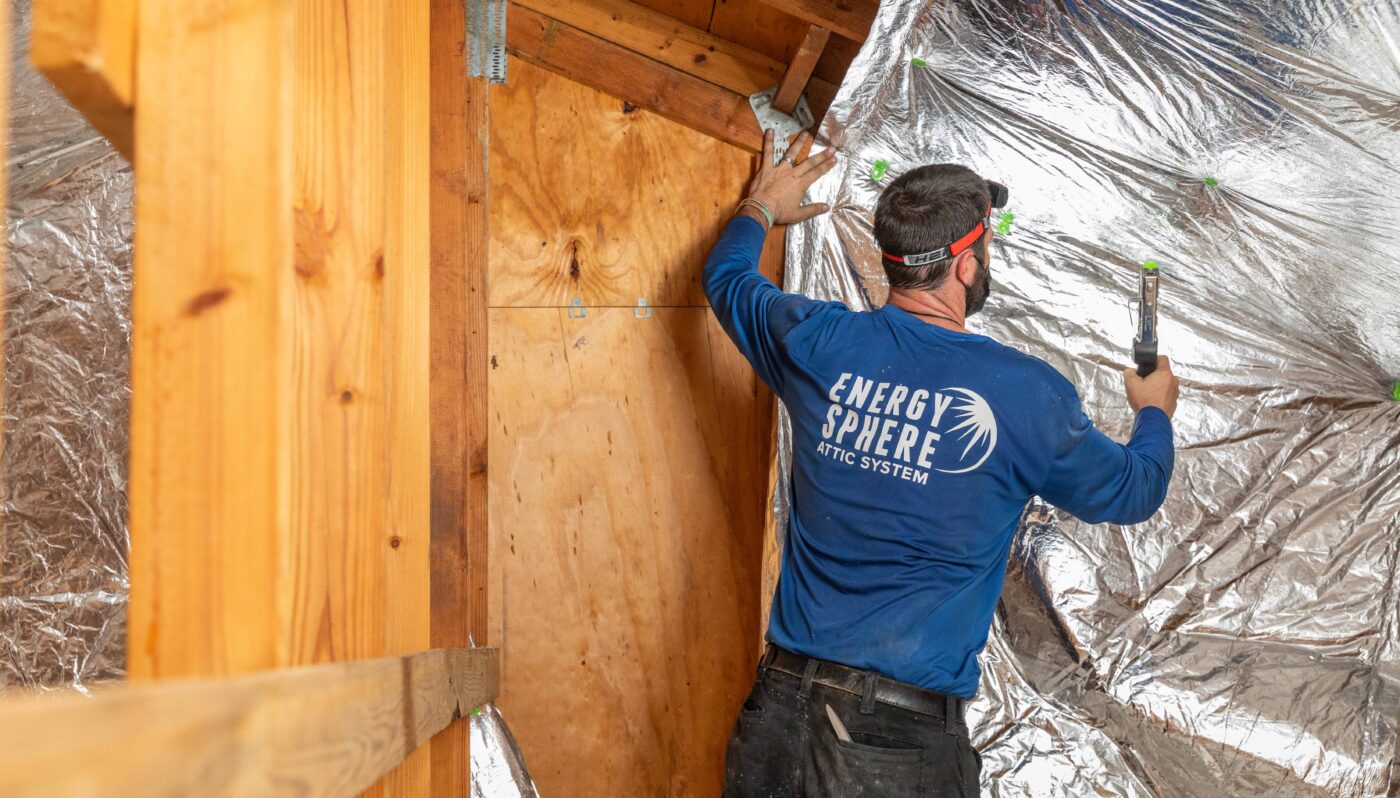
One of the most effective ways to improve a home’s energy efficiency is by upgrading insulation and windows. Proper insulation helps maintain indoor temperatures, reducing the need for excessive heating or cooling.
Energy-efficient windows can prevent drafts and reduce heat loss, making the home more comfortable while lowering energy costs.
Choose Eco-Friendly Materials
Selecting sustainable materials is an important part of eco-friendly renovation. Materials such as bamboo, reclaimed wood, recycled metal, and cork are renewable and environmentally responsible options.
Using low-VOC paints and finishes also helps improve indoor air quality and creates a healthier living environment.
Use Energy-Efficient Lighting and Appliances
Lighting and appliances contribute significantly to a home’s energy consumption. Replacing traditional lighting with LED bulbs can reduce electricity use dramatically.
Energy-efficient appliances such as refrigerators, dishwashers, and washing machines are designed to consume less power and water while maintaining high performance.
Conserve Water
Water conservation is another key part of sustainable renovation. Installing low-flow faucets, showerheads, and water-efficient toilets can significantly reduce water usage in the home.
These simple upgrades help protect natural water resources while also lowering monthly water bills.
Reduce Construction Waste
Renovation projects often generate a lot of waste. Sustainable renovation aims to reduce waste by reusing and recycling materials whenever possible.
For example, existing cabinets, doors, or wood can often be refurbished instead of replaced.
Think Long-Term
Sustainable renovation focuses on long-term benefits rather than short-term savings. Although some eco-friendly upgrades may require a higher initial investment, they often lead to significant savings over time through lower energy and maintenance costs.
Durable materials and efficient systems also increase the overall value of the home.
Conclusion
Sustainable home renovation is a smart approach to modern home improvement. By improving energy efficiency, conserving water, using eco-friendly materials, and reducing waste, homeowners can create beautiful and responsible living spaces.
For beginners, starting with small improvements such as LED lighting, better insulation, and water-saving fixtures can make a big difference. Over time, these changes can transform a home into a more efficient, comfortable, and environmentally friendly place to live.
